A Personal Reflection
Hey everyone, welcome to my blog! I’m Stan, a student in Hamilton, Ontario, diving into how tech shapes who we are in this wild digital age. In this post, I’m exploring the ways technology influences our understanding of ourselves, our relationships, our sense of community, and how we express our identities. Drawing from my own experiences and key concepts from Society and Technology, like the military origins of computing, mass media evolution, and Sherry Turkle’s ideas on digital self. I’ll break it down with real-life examples and some multimedia to bring it to life. Let’s jump in.
The Algorithmic Mirror: Reflecting or Distorting Our True Selves? We all know that eerie feeling when you open an app and it seems to read your mind or does it? For this reflection, I grabbed a screenshot of my Instagram a “for you” or “search icon”. It’s packed with local news about events like food festivals or best restaurants and gaming. I cut out any private usernames to keep it chill.
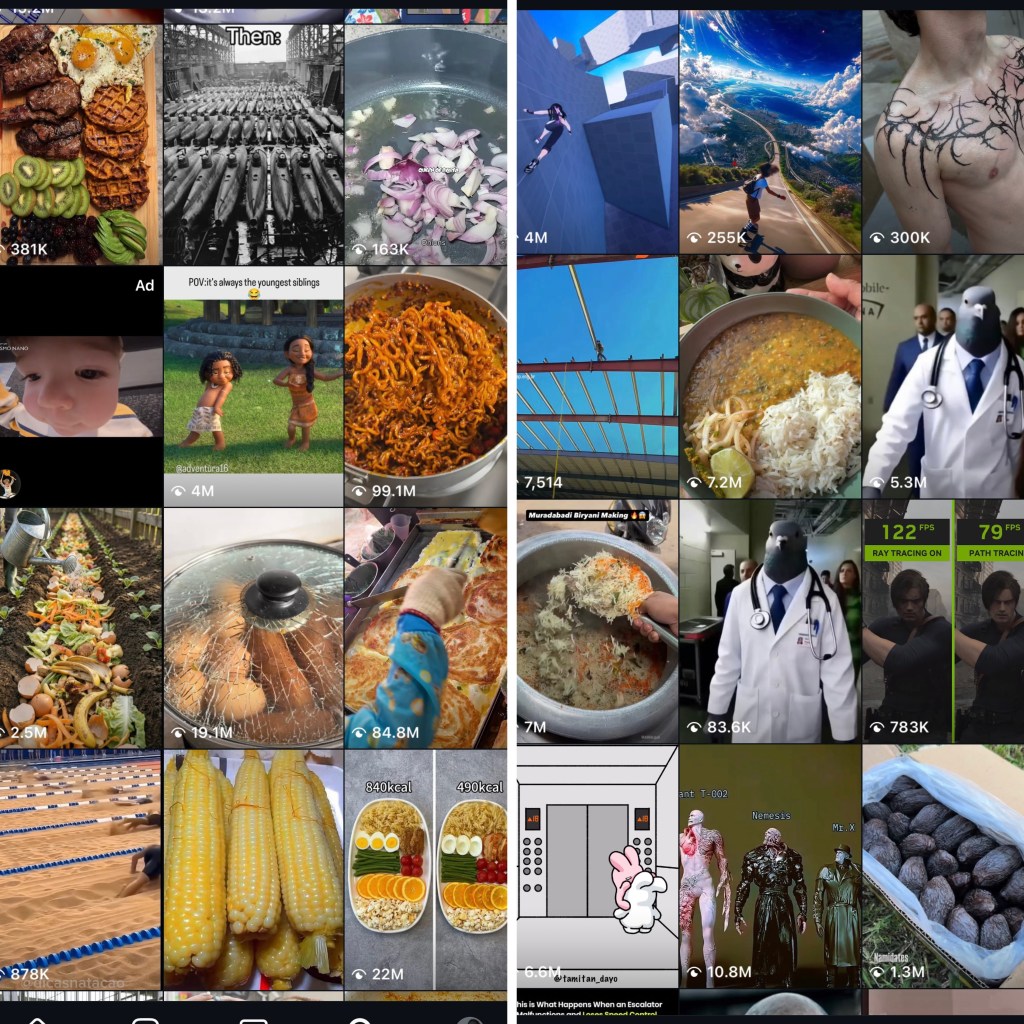
Analyzing this feed, does the algorithm truly mirror my identity, or is it more like a caricature? It captures chunks of me spot-on I’m obsessed with gaming, and as a Hamilton local, staying looped into Ontario vibes helps me feel grounded. But it exaggerates, shoving endless gaming content my way while ignoring my love for hiking trails around the Niagara Escarpment or burying my nose in sci-fi novels. This setup creates an echo chamber, influencing how I see myself by reinforcing habits rather than challenging them. In our reading from Sherry Turkle’s Alone Together highlights how digital connections offer the illusion of companionship without real intimacy, much like how algorithms curate feeds that feel personal but often isolate us in bubbles. This echoes Danah boyd’s work on digital identities from earlier modules, where she argues algorithms amplify biases, narrowing our worldviews. Tying back to history of computing, these algorithms stem from military-driven tech like the IBM SAGE system, built during the Cold War to process radar data in real time, showing how wartime needs birthed the data-processing power now shaping our personal mirrors. It’s fascinating yet unnerving how much invisible code, rooted in defense origins, dictates our sense of self in everyday scrolls.
Technology’s Impact on Relationships: Connecting or Isolating?
Technology has revolutionized how I connect with others, swinging between awesome highs and frustrating lows. Growing up in Hamilton, relationships meant face-to-face hangs at Tim Hortons or park meetups. Now, with Instagram DMs, Discord servers, and FaceTime, I can chat with friends across provinces instantly. On the positive side, it’s kept me tight with family during busy college semesters video calls bridge the gap when I can’t drive home. During lockdowns, Zoom turned isolation into virtual game nights, saving my sanity. But there’s a flip side: interactions can feel diluted. Endless scrolling through stories breeds jealousy or miscommunications via text that a real conversation would fix. I’ve had friendships strain over misinterpreted emojis or ghosting that wouldn’t happen in person. This aligns with Sherry Turkle’s, where in Alone Together, she points out that while tech fosters constant connectivity, it often substitutes depth with superficial pings, leading to emotional detachment, we’re “alone together” in a sea of notifications. In my world, this rings true, like when group chats replace heartfelt talks, leaving me feeling more alone. Tying into Edwards reading, “Why Build Computers? The Military Role in Computer Research,” the tech enabling these connections evolved from Cold War military needs, where systems like SAGE integrated human operators with machines for defense—foreshadowing how today’s networked life blends us with tech, sometimes at the cost of genuine bonds. Overall, tech’s role in relationships is a double-edged sword: it builds global bridges but risks eroding the foundations if we let screens dominate.
Technology and Community: Building Belonging in Digital Spaces.
My sense of community has evolved dramatically thanks to tech, shifting from local Hamilton spots to vast online networks. Traditionally, community was neighborhood events or school clubs in Ontario. Today, it’s Reddit threads on r/Hamilton, Twitch streams for gamers, or Facebook groups for local activism. The upside? It’s connected me to like-minded folks I wouldn’t meet otherwise—like an online sci-fi book club where we geek out over plots and share fan art, fostering a real sense of belonging despite distances. However, tech has also rattled my views on community. For example, on mass media evolution challenged me with how platforms can exclude people, like rural Ontarians with spotty internet missing out on virtual town halls. It affirmed my positive experiences, such as when TikTok mobilized support during Hamilton’s floods last year, with users sharing resources in real-time. But it also highlighted pitfalls, like misinformation in echo chambers that make diverse opinions feel alien.
Referencing De La Garza article, “How Historians Are Reckoning with the Former Nazi Who Launched America’s Space Program,” it discusses the dark roots of tech innovation, like Wernher von Braun’s V-2 rocket program under Nazis, which influenced post-war computing and space tech, reminding us that community-building tools often stem from conflicted histories. This has made me more aware of how my online “tribes” shape my identity, pushing me to seek varied perspectives beyond algorithms.

Technology Enabling New Forms of Self-Expression.
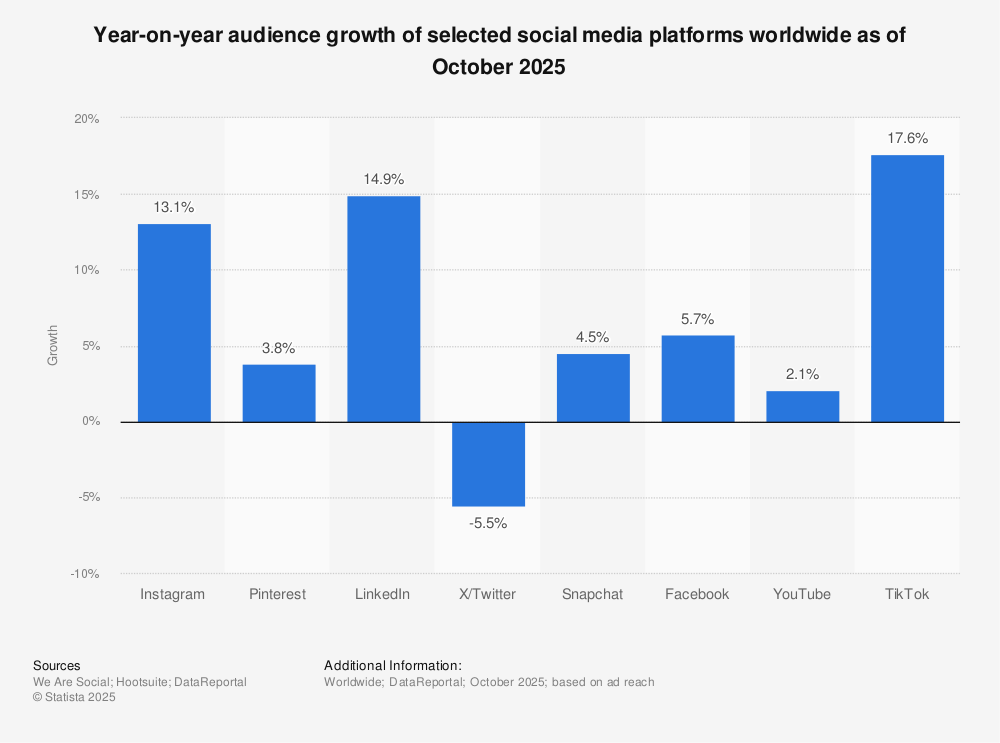
Digital tools have unlocked creative avenues I never imagined, transforming how I express my identity. Platforms like TikTok and Adobe Express let me mash up gaming edits with personal stories about life, turning everyday thoughts into shareable content. It’s empowering, anyone can go from idea to polished post in minutes, using filters, music, and graphics to amplify their voice. For instance, I’ve experimented with VR apps to build virtual replicas of Hamilton landmarks, blending my tech geek side with local pride. This ties on “Mass Media and the Evolution of Communication Technologies,” which explores how innovations like radio democratized expression but also commodified it. Likes and views can shift self-expression from authentic to curated, influencing identity by making us chase virality. To illustrate the growth, here’s a graph showing the explosion of user-generated content on social media from 2010 to 2025.
Looking Forward: Emerging Technologies and Future Identities.
Gazing ahead, tech like AI and the metaverse could redefine personal identity in profound ways. Picture AI assistants predicting your needs, aiding self-reflection through data insights, or metaverse avatars letting you live alternate lives opportunities for inclusivity abound, like virtual Hamilton meetups accessible to everyone, regardless of mobility. Yet, challenges loom: privacy invasions could erode autonomy, and unequal access might widen divides in places like Ontario. Speculating based on the space race and von Braun’s V-2 rocket, which transitioned from Nazi weapon to U.S. space foundation, future tech might carry similar ethical baggage if not checked. On Zuboff’s The Age of Surveillance Capitalism warns of data extraction turning experiences into prediction products, risking a loss of free will. I foresee AI enhancing creativity but risking over-reliance, where algorithms dictate more of our self-narrative. We need ethical frameworks to ensure tech empowers rather than controls identities. Exciting potentials include brain-computer interfaces for direct expression, but we must navigate hurdles like data ethics to keep humanity at the core.
In closing, technology isn’t just a backdrop-it’s the architect of our identities, weaving through self-perception, relationships, communities, and expressions. it’s clear: embrace the tools, but stay vigilant about their influence, what’s your take on tech’s role in your life?
 ApolloX
Leave a comment